Workplace Electrical Safety Training & Consulting  — Arc Flash & Shock Training

On-Site Training - Consulting

About Us

VIEW OUR SERVICES


Are you searching for a Master Electrician to provide your company or organization with the proper knowledge they need when it comes to Lockout and Electrical Safety in the workplace? When it comes to Lockout and Electrical Safety in the workplace?


Lenco offers many on-site and remote services along with online tools in electrical safety to prevent injuries in the workplace. We also will provide the necessary steps to properly execute a lockout program. We are skilled, qualified, professional, and dependable. Our vast experience is varied and extensive, combining classroom knowledge with years of field experience.
 

What is an arc flash hazard? 

A source of possible injury or damage to health associated with the release of energy caused by an electric arc.


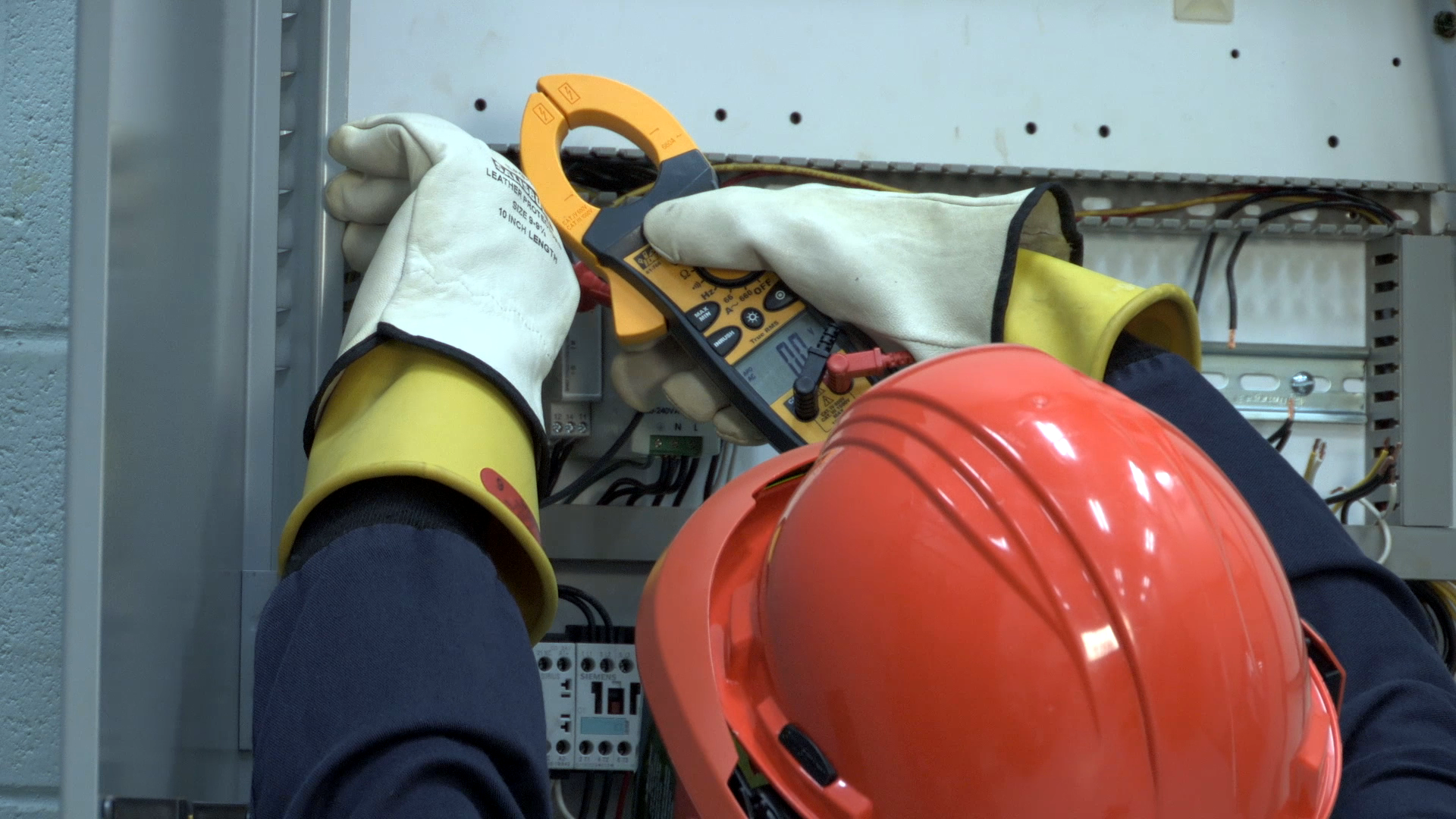
Workers need to be protected from the hazards of both arc flash and shock.

REQUEST INFORMATION

To cut down on your waiting time, simply book your appointment online.

Workplace Electrical Safety Training & Consulting - Based on CSA Z462

Learn More

Arc Flash & Shock Training

Learn More

Lockout Placards & Training – Based on CSA Z460

Learn More

Customized Programs for Workplace Electrical Safety & Lockout

Learn More
Arc Flashing Training

We provide a wide range of training and consulting services including:


  • Onsite Electrical Consulting Services
  • PPE Requirements
  • Investigations
  • Audits
  • On-Site Training
  • Safety Solutions
  • Electrical Worker Training
  • Non Qualified Electrical Worker Training
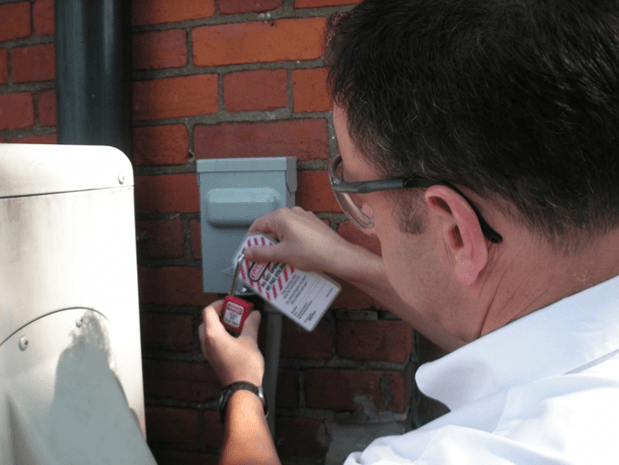
  • A full range of lockout Training and Consulting Services including Lockout Placards 


For more information about our electrical safety services and training, please contact us today. Don’t forget to check out our Newsletter for the latest news on electrical safety.

Len Cicero Arc Flash Electrical Safety Training Expert

LEN CICERO

WHY CHOOSE LEN?


  • Certified Electrical Safety Compliance Professional – NFPA
  • Serving Safety Industry for over 29 years
  • Recognized by industry and colleagues as a specialist in Lockout and Workplace Electrical Safety
  • Technical Committee Vice Chairperson CSA Z460: Control of Hazardous Energy Lockout & Other Methods
  • Founding Member of CSA Z462 Workplace Electrical Safety Technical Committee
  • Past President of the Ontario Electrical League’s Halton Chapter


July 31, 2026
When it comes to workplace electrical safety, no two facilities are exactly alike. A manufacturing plant has very different electrical hazards than a commercial office, utility company, healthcare facility, or construction site. That's why one-size-fits-all safety programs often fall short. If you're asking, "Can electrical safety training be customized?" the answer is yes—and in many cases, it should be. Customized training helps employees understand the real hazards they face every day, making the information more relevant, easier to remember, and far more effective at preventing workplace incidents. Whether your organization needs Arc flashing training , lockout procedures, or guidance toward arc flash certifications , a tailored approach can significantly improve workplace safety. Why Every Workplace Has Different Electrical Risks Electrical hazards vary depending on several factors, including: The type of equipment being used Employee responsibilities Voltage levels Existing safety procedures Industry regulations Workplace layout For example, electricians performing maintenance on energized equipment require far more in-depth instruction than office staff who simply work around electrical systems. A customized training program focuses on the hazards your employees are most likely to encounter rather than spending valuable time on situations that don't apply to your business. The Benefits of Customized Electrical Safety Training Industry-Specific Learning Generic courses often cover broad concepts, but customized training incorporates real-world examples from your industry. Whether you operate a manufacturing facility in Hamilton, a commercial building in Burlington, or a construction site anywhere across Southern Ontario, employees learn using scenarios they can immediately relate to. This practical approach increases engagement while improving knowledge retention. Job-Specific Instruction Not every employee performs the same tasks. Maintenance technicians, electricians, supervisors, production staff, contractors, and non-qualified workers all require different levels of training. Customized programs ensure every participant receives information that's appropriate for their responsibilities without overwhelming them with unnecessary material. Better Arc Flash Awareness One of the biggest advantages of customized Arc flashing training is improved hazard recognition. Employees learn: How arc flash incidents occur Safe work procedures Hazard identification Risk assessment principles Appropriate PPE selection Safe decision-making around energized equipment Rather than simply memorizing regulations, workers understand how those regulations apply to their everyday jobs. Supporting Compliance and Best Practices Organizations are expected to provide workers with appropriate safety education based on recognized workplace standards and the specific risks present in their facilities. Customized training supports these efforts by helping employers: Improve workplace safety programs Reinforce safe work practices Increase employee confidence Reduce preventable incidents Strengthen overall safety culture Many employers also use customized programs to prepare employees for arc flash certifications or ongoing professional development. Can Training Be Delivered On-Site? Absolutely. Many organizations choose on-site training because instructors can incorporate the actual equipment employees use every day. Instead of discussing generic electrical panels found in textbooks, workers gain practical knowledge using familiar systems within their own facility. This creates stronger learning outcomes while allowing employees to ask questions about specific workplace challenges. For organizations with multiple locations across Hamilton, Burlington, Mississauga, Oakville, Toronto, or elsewhere in Ontario, on-site instruction also provides scheduling flexibility with minimal disruption to daily operations. Customized Programs for Qualified and Non-Qualified Workers One common misconception is that electrical safety training is only for electricians. In reality, many employees who never perform electrical work are still exposed to electrical hazards. Customized training can be developed for: Qualified Workers These programs often include: Advanced Arc flashing training Energized work procedures PPE requirements Electrical hazard assessments Equipment-specific safety practices Non-Qualified Workers Programs focus on: Hazard awareness Safe distances Recognizing dangerous situations Emergency response Lockout awareness When to call qualified personnel Providing the right information to each group creates a much stronger safety culture throughout the organization. Long-Term Value Beyond Compliance Customized electrical safety training is about much more than checking a compliance box. Proper education helps organizations reduce downtime, improve employee confidence, minimize costly incidents, and protect one of their most valuable assets—their people. When workers understand why safety procedures exist instead of simply following rules, they're more likely to make better decisions under pressure. Investing in customized Arc flashing training today may prevent a life-changing incident tomorrow. Choose Training That Fits Your Workplace Every workplace presents unique electrical hazards, and your safety training should reflect those realities. At ArcFlash.ca, customized electrical safety programs are designed around your industry, equipment, employee responsibilities, and operational requirements. Whether you're looking for workplace electrical safety education, specialized Arc flashing training , or guidance on arc flash certifications , experienced instructors can develop a program that meets your organization's specific needs.  Ready to Build a Safer Workplace? Don't settle for generic safety instruction. Contact ArcFlash.ca today to discuss a customized electrical safety training program tailored to your facility, your employees, and your operational goals. A safer workplace starts with training that's built specifically for you.
June 30, 2026
Electrical hazards are among the most dangerous risks found in industrial, commercial, and construction environments. A single incident can result in severe injuries, equipment damage, costly downtime, or even fatalities. That’s why many employers ask an important question: How long is electrical safety training for the workplace? The answer depends on the type of work being performed, the level of risk involved, and the responsibilities of the employees receiving the training. Whether you're an electrician, maintenance technician, supervisor, or safety manager, understanding the time commitment required for proper training can help ensure your workplace remains compliant, safe, and productive. Why Electrical Safety Training Matters Electrical systems power virtually every modern workplace, but they also present significant hazards. Employees who work on or around energized equipment face risks such as electrical shock, burns, electrocution, and arc flash incidents. Proper Arc flashing training helps workers identify hazards, understand safe work procedures, use personal protective equipment (PPE) correctly, and comply with workplace safety regulations. More importantly, it helps prevent accidents before they happen. Investing a few hours in quality training can save organizations from significant financial losses and protect employees from life-altering injuries. How Long Does Electrical Safety Training Typically Take? The duration of workplace electrical safety training varies depending on the course content and the audience being trained. Basic Electrical Safety Awareness Training For employees who do not directly work on electrical systems but may be exposed to electrical hazards in the workplace, basic awareness training typically takes: 2 to 4 hours Covers common electrical hazards Introduces safe work practices Reviews emergency response procedures This level of training is often suitable for general workers, facility staff, and supervisors. Arc Flash Safety Training For workers who interact with energized electrical equipment, Arc flashing training is much more comprehensive. These programs often range from: Half-day sessions (4 hours) Full-day courses (8 hours) Multi-day programs for advanced applications Topics commonly include: Arc flash hazard recognition Risk assessment procedures Electrical safety regulations Lockout/tagout practices PPE selection and use Incident prevention strategies The exact length depends on the complexity of the workplace and the specific requirements of the employer. Advanced Electrical Safety Programs Workers responsible for maintaining, testing, troubleshooting, or repairing energized equipment may require advanced training that extends over multiple days. These programs often include: Hands-on practical exercises Hazard calculations Equipment-specific procedures Regulatory compliance requirements Incident investigation techniques Advanced courses provide a deeper understanding of electrical hazards and are often recommended for qualified electrical workers. What Factors Affect Training Length? Several factors determine how much time an employee will spend in electrical safety training. Employee Experience Level Experienced electricians may require refresher courses that can be completed in a few hours. New employees or workers transitioning into electrical roles may need significantly more instruction. Workplace Risk Level Facilities with high-voltage equipment, industrial automation systems, or complex electrical infrastructure typically require more extensive training than low-risk office environments. Regulatory Requirements Employers must ensure training meets applicable safety standards and industry regulations. Some organizations require periodic retraining to maintain compliance and ensure workers remain up to date on best practices. Hands-On Training Components Programs that include demonstrations, practical exercises, and equipment inspections generally require more time but often deliver better learning outcomes. How Often Should Electrical Safety Training Be Updated? Electrical safety is not a one-time event. Industry standards, workplace conditions, and equipment configurations can change over time. Many organizations schedule refresher training every three years or sooner if: Job duties change New equipment is introduced Safety incidents occur Regulations are updated Hazard assessments are revised Regular training helps ensure employees maintain the knowledge and confidence needed to work safely around electrical systems. The Value of Arc Flash Certifications Many employers seek workers who have completed recognized arc flash certifications because they demonstrate a commitment to safety and professional development. Benefits of obtaining arc flash certifications include: Increased workplace safety awareness Improved compliance with industry standards Greater confidence when working near energized equipment Reduced risk of accidents and injuries Enhanced career opportunities For employers, certified workers can help strengthen safety programs and reduce liability associated with electrical incidents. Choosing the Right Training Provider Not all electrical safety courses are created equal. When selecting a training provider, organizations should look for programs that combine regulatory knowledge, real-world experience, and practical application. A quality provider should offer: Industry-recognized instruction Up-to-date training materials Experienced instructors Customized workplace solutions Comprehensive Arc flashing training programs Guidance on arc flash certifications and compliance requirements The goal is not simply to meet regulations—it is to create a culture of safety that protects workers every day. Protect Your Team Before an Incident Happens When employers ask how long electrical safety training takes, the better question may be: Can you afford not to invest the time? Most workplace electrical safety programs can be completed in a single day, while more advanced training may require additional instruction. Regardless of the duration, the benefits far outweigh the time commitment. At ArcFlash.ca, organizations can access professional electrical safety education, Arc flashing training, and guidance on arc flash certifications designed to help workers stay safe and employers stay compliant. Don't wait for an accident to highlight the importance of electrical safety. Invest in proper training today and build a safer workplace for tomorrow. This version is optimized for readability, engagement, and SEO while naturally incorporating the keywords Arc flashing training and arc flash certifications throughout the content.

Arc Flash News


July 31, 2026
When it comes to workplace electrical safety, no two facilities are exactly alike. A manufacturing plant has very different electrical hazards than a commercial office, utility company, healthcare facility, or construction site. That's why one-size-fits-all safety programs often fall short. If you're asking, "Can electrical safety training be customized?" the answer is yes—and in many cases, it should be. Customized training helps employees understand the real hazards they face every day, making the information more relevant, easier to remember, and far more effective at preventing workplace incidents. Whether your organization needs Arc flashing training , lockout procedures, or guidance toward arc flash certifications , a tailored approach can significantly improve workplace safety. Why Every Workplace Has Different Electrical Risks Electrical hazards vary depending on several factors, including: The type of equipment being used Employee responsibilities Voltage levels Existing safety procedures Industry regulations Workplace layout For example, electricians performing maintenance on energized equipment require far more in-depth instruction than office staff who simply work around electrical systems. A customized training program focuses on the hazards your employees are most likely to encounter rather than spending valuable time on situations that don't apply to your business. The Benefits of Customized Electrical Safety Training Industry-Specific Learning Generic courses often cover broad concepts, but customized training incorporates real-world examples from your industry. Whether you operate a manufacturing facility in Hamilton, a commercial building in Burlington, or a construction site anywhere across Southern Ontario, employees learn using scenarios they can immediately relate to. This practical approach increases engagement while improving knowledge retention. Job-Specific Instruction Not every employee performs the same tasks. Maintenance technicians, electricians, supervisors, production staff, contractors, and non-qualified workers all require different levels of training. Customized programs ensure every participant receives information that's appropriate for their responsibilities without overwhelming them with unnecessary material. Better Arc Flash Awareness One of the biggest advantages of customized Arc flashing training is improved hazard recognition. Employees learn: How arc flash incidents occur Safe work procedures Hazard identification Risk assessment principles Appropriate PPE selection Safe decision-making around energized equipment Rather than simply memorizing regulations, workers understand how those regulations apply to their everyday jobs. Supporting Compliance and Best Practices Organizations are expected to provide workers with appropriate safety education based on recognized workplace standards and the specific risks present in their facilities. Customized training supports these efforts by helping employers: Improve workplace safety programs Reinforce safe work practices Increase employee confidence Reduce preventable incidents Strengthen overall safety culture Many employers also use customized programs to prepare employees for arc flash certifications or ongoing professional development. Can Training Be Delivered On-Site? Absolutely. Many organizations choose on-site training because instructors can incorporate the actual equipment employees use every day. Instead of discussing generic electrical panels found in textbooks, workers gain practical knowledge using familiar systems within their own facility. This creates stronger learning outcomes while allowing employees to ask questions about specific workplace challenges. For organizations with multiple locations across Hamilton, Burlington, Mississauga, Oakville, Toronto, or elsewhere in Ontario, on-site instruction also provides scheduling flexibility with minimal disruption to daily operations. Customized Programs for Qualified and Non-Qualified Workers One common misconception is that electrical safety training is only for electricians. In reality, many employees who never perform electrical work are still exposed to electrical hazards. Customized training can be developed for: Qualified Workers These programs often include: Advanced Arc flashing training Energized work procedures PPE requirements Electrical hazard assessments Equipment-specific safety practices Non-Qualified Workers Programs focus on: Hazard awareness Safe distances Recognizing dangerous situations Emergency response Lockout awareness When to call qualified personnel Providing the right information to each group creates a much stronger safety culture throughout the organization. Long-Term Value Beyond Compliance Customized electrical safety training is about much more than checking a compliance box. Proper education helps organizations reduce downtime, improve employee confidence, minimize costly incidents, and protect one of their most valuable assets—their people. When workers understand why safety procedures exist instead of simply following rules, they're more likely to make better decisions under pressure. Investing in customized Arc flashing training today may prevent a life-changing incident tomorrow. Choose Training That Fits Your Workplace Every workplace presents unique electrical hazards, and your safety training should reflect those realities. At ArcFlash.ca, customized electrical safety programs are designed around your industry, equipment, employee responsibilities, and operational requirements. Whether you're looking for workplace electrical safety education, specialized Arc flashing training , or guidance on arc flash certifications , experienced instructors can develop a program that meets your organization's specific needs.  Ready to Build a Safer Workplace? Don't settle for generic safety instruction. Contact ArcFlash.ca today to discuss a customized electrical safety training program tailored to your facility, your employees, and your operational goals. A safer workplace starts with training that's built specifically for you.
June 30, 2026
Electrical hazards are among the most dangerous risks found in industrial, commercial, and construction environments. A single incident can result in severe injuries, equipment damage, costly downtime, or even fatalities. That’s why many employers ask an important question: How long is electrical safety training for the workplace? The answer depends on the type of work being performed, the level of risk involved, and the responsibilities of the employees receiving the training. Whether you're an electrician, maintenance technician, supervisor, or safety manager, understanding the time commitment required for proper training can help ensure your workplace remains compliant, safe, and productive. Why Electrical Safety Training Matters Electrical systems power virtually every modern workplace, but they also present significant hazards. Employees who work on or around energized equipment face risks such as electrical shock, burns, electrocution, and arc flash incidents. Proper Arc flashing training helps workers identify hazards, understand safe work procedures, use personal protective equipment (PPE) correctly, and comply with workplace safety regulations. More importantly, it helps prevent accidents before they happen. Investing a few hours in quality training can save organizations from significant financial losses and protect employees from life-altering injuries. How Long Does Electrical Safety Training Typically Take? The duration of workplace electrical safety training varies depending on the course content and the audience being trained. Basic Electrical Safety Awareness Training For employees who do not directly work on electrical systems but may be exposed to electrical hazards in the workplace, basic awareness training typically takes: 2 to 4 hours Covers common electrical hazards Introduces safe work practices Reviews emergency response procedures This level of training is often suitable for general workers, facility staff, and supervisors. Arc Flash Safety Training For workers who interact with energized electrical equipment, Arc flashing training is much more comprehensive. These programs often range from: Half-day sessions (4 hours) Full-day courses (8 hours) Multi-day programs for advanced applications Topics commonly include: Arc flash hazard recognition Risk assessment procedures Electrical safety regulations Lockout/tagout practices PPE selection and use Incident prevention strategies The exact length depends on the complexity of the workplace and the specific requirements of the employer. Advanced Electrical Safety Programs Workers responsible for maintaining, testing, troubleshooting, or repairing energized equipment may require advanced training that extends over multiple days. These programs often include: Hands-on practical exercises Hazard calculations Equipment-specific procedures Regulatory compliance requirements Incident investigation techniques Advanced courses provide a deeper understanding of electrical hazards and are often recommended for qualified electrical workers. What Factors Affect Training Length? Several factors determine how much time an employee will spend in electrical safety training. Employee Experience Level Experienced electricians may require refresher courses that can be completed in a few hours. New employees or workers transitioning into electrical roles may need significantly more instruction. Workplace Risk Level Facilities with high-voltage equipment, industrial automation systems, or complex electrical infrastructure typically require more extensive training than low-risk office environments. Regulatory Requirements Employers must ensure training meets applicable safety standards and industry regulations. Some organizations require periodic retraining to maintain compliance and ensure workers remain up to date on best practices. Hands-On Training Components Programs that include demonstrations, practical exercises, and equipment inspections generally require more time but often deliver better learning outcomes. How Often Should Electrical Safety Training Be Updated? Electrical safety is not a one-time event. Industry standards, workplace conditions, and equipment configurations can change over time. Many organizations schedule refresher training every three years or sooner if: Job duties change New equipment is introduced Safety incidents occur Regulations are updated Hazard assessments are revised Regular training helps ensure employees maintain the knowledge and confidence needed to work safely around electrical systems. The Value of Arc Flash Certifications Many employers seek workers who have completed recognized arc flash certifications because they demonstrate a commitment to safety and professional development. Benefits of obtaining arc flash certifications include: Increased workplace safety awareness Improved compliance with industry standards Greater confidence when working near energized equipment Reduced risk of accidents and injuries Enhanced career opportunities For employers, certified workers can help strengthen safety programs and reduce liability associated with electrical incidents. Choosing the Right Training Provider Not all electrical safety courses are created equal. When selecting a training provider, organizations should look for programs that combine regulatory knowledge, real-world experience, and practical application. A quality provider should offer: Industry-recognized instruction Up-to-date training materials Experienced instructors Customized workplace solutions Comprehensive Arc flashing training programs Guidance on arc flash certifications and compliance requirements The goal is not simply to meet regulations—it is to create a culture of safety that protects workers every day. Protect Your Team Before an Incident Happens When employers ask how long electrical safety training takes, the better question may be: Can you afford not to invest the time? Most workplace electrical safety programs can be completed in a single day, while more advanced training may require additional instruction. Regardless of the duration, the benefits far outweigh the time commitment. At ArcFlash.ca, organizations can access professional electrical safety education, Arc flashing training, and guidance on arc flash certifications designed to help workers stay safe and employers stay compliant. Don't wait for an accident to highlight the importance of electrical safety. Invest in proper training today and build a safer workplace for tomorrow. This version is optimized for readability, engagement, and SEO while naturally incorporating the keywords Arc flashing training and arc flash certifications throughout the content.
Show More