
How to Hire a Reputable Electrician
Hiring an electrician can feel like a daunting task. You're entrusting someone with the safety and functionality of your home or business's electrical system. A faulty wire or a poorly installed panel isn't just an inconvenience; it can be a serious hazard. This guide will walk you through the essential steps to find and hire a trustworthy professional, ensuring your project is handled with the highest level of skill and safety.
We'll cover how to verify credentials, the importance of specific safety training, and what sets a team like Len Cicero and staff apart from the competition. By the end, you'll have the confidence to choose an electrician who protects your property and gives you peace of mind.
Start with the Basics: Licensing and Insurance
Before you even discuss your project, the first step is to confirm that the electrician is properly licensed and insured. This is non-negotiable. Licensing proves they have met the state or provincial requirements for knowledge and experience. It shows they are legally permitted to perform electrical work in your area.
Equally important is insurance. A reputable electrician will carry two types of coverage:
- Liability Insurance: This protects your property. If an accident during the job causes damage to your home or business, this insurance covers the cost of repairs.
- Workers' Compensation: This protects you from liability if an electrician gets injured while working on your property. Without it, you could be held responsible for their medical bills.
Ask to see proof of both licensing and insurance before you hire anyone. A professional will have these documents readily available and will be happy to provide them.
Look for a Proven Track Record
Experience matters, especially with complex electrical systems. An electrician with a long history in the community has built a reputation based on quality work and customer satisfaction. Look for companies that have been in business for several years.
You can gauge their track record by:
- Checking Online Reviews: Look at platforms like Google, Yelp, and HomeStars. Read through both positive and negative reviews to get a balanced view of their service.
- Asking for References: A confident and reliable electrician can provide you with a list of past clients you can contact. Speaking directly to previous customers gives you firsthand insight into their experience.
- Viewing Their Portfolio: Many electricians showcase their work on their website. This can give you an idea of the types of projects they handle, from simple residential repairs to large-scale commercial installations.
The Critical Importance of Safety Training
All licensed electricians have a foundational understanding of safety. However, top-tier professionals invest in ongoing training to stay current with the latest standards and technologies. One of the most critical areas of advanced training is for arc flash.
What is an Arc Flash?
An arc flash is a dangerous explosion of electrical energy that travels through the air from one conductor to another, or to the ground. These events are incredibly hazardous, producing intense heat, a blinding flash of light, and a powerful pressure wave. They can cause severe burns, blindness, hearing loss, and even be fatal.
Why Arc Flash Training is Essential
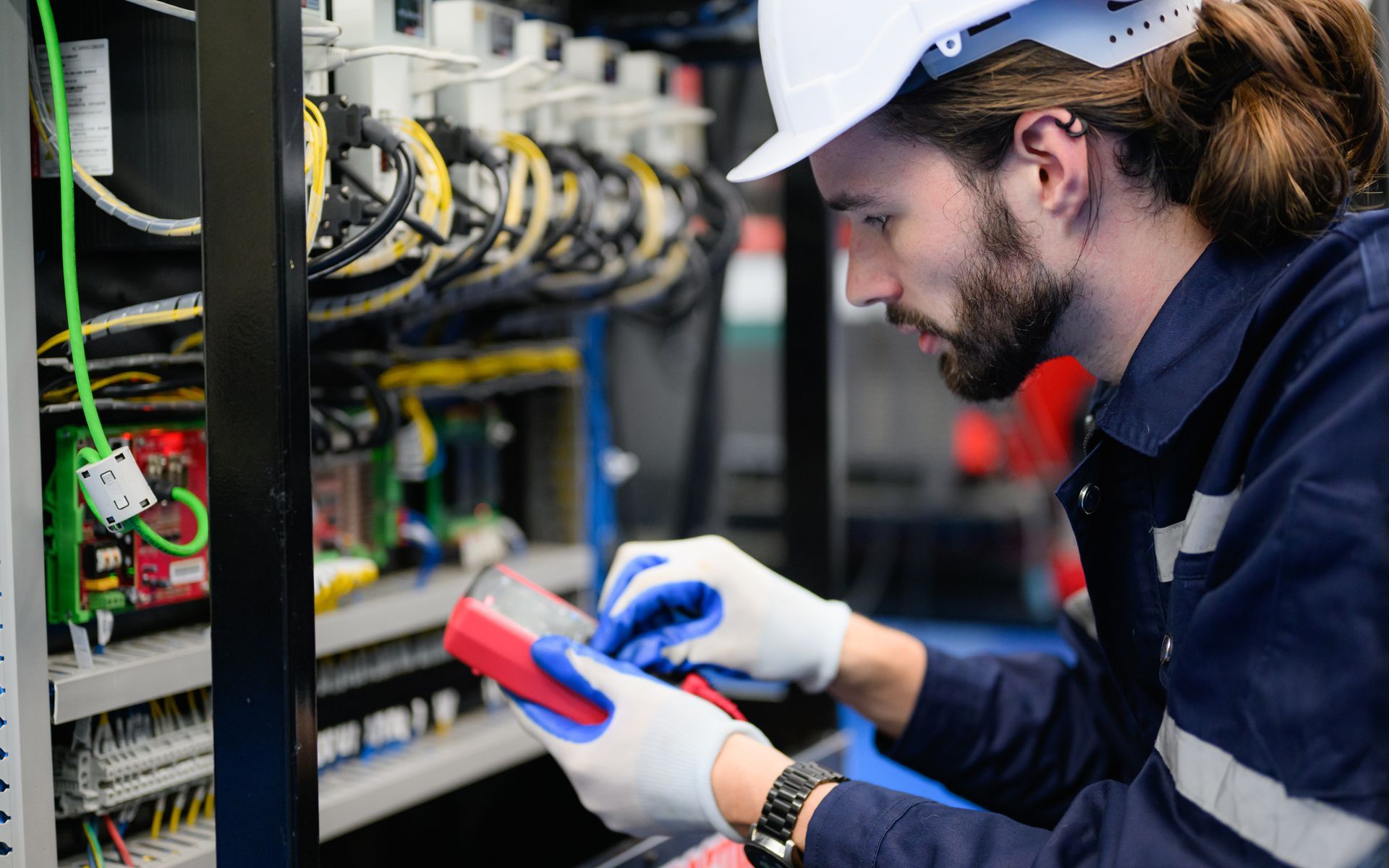
Arc flash training teaches electricians how to identify and mitigate these risks. It involves learning to perform risk assessments, use appropriate personal protective equipment (PPE), and follow specific safety procedures when working on or near energized equipment.
When you hire an electrician, ask them directly about their qualifications. You can ask:
- "Are you and your staff trained in arc flash safety?"
- "What safety protocols do you follow when working on live electrical panels?"
An electrician who prioritizes safety, like Len Cicero and his team, will have invested in this specialized training. It demonstrates a commitment not only to their own well-being but also to the safety of you, your family, or your employees. It’s a hallmark of true professionalism and shows they understand the severe risks involved in their work.
Communication and Professionalism Matter
The technical skills of an electrician are only part of the equation. How they communicate and conduct themselves is just as important. A good electrician should be:
- A Clear Communicator: They should be able to explain the problem and the proposed solution in terms you can understand, avoiding overly technical jargon.
- Transparent with Pricing: You should receive a detailed, written estimate before any work begins. This should outline the cost of labour, materials, and any other potential fees. Be wary of anyone who gives you a vague quote over the phone.
- Punctual and Respectful: A professional respects your time and your property. They should arrive on schedule, maintain a clean workspace, and treat your home or business with care.
Teams that exemplify these traits, such as Len Cicero's staff, build lasting relationships with their clients. Their professionalism is evident from the first phone call to the final walkthrough, ensuring a smooth and stress-free experience.
Putting It All Together: Your Hiring Checklist
Finding a great electrician doesn’t have to be difficult. By following a structured process, you can confidently select a qualified and reputable professional.
Here is a simple checklist to guide you:
- Verify Credentials: Ask for their license number, proof of liability insurance, and workers ' compensation.
- Check Their Reputation: Read online reviews and ask for references from past clients.
- Inquire About Safety Training: Specifically ask about arc flash certification and other advanced safety protocols.
- Get a Detailed Estimate: Always get a quote in writing that clearly breaks down all costs.
- Assess Their Professionalism: Pay attention to their communication skills, punctuality, and attitude.
Your electrical system is the backbone of your property. By taking the time to hire a skilled, safe, and reputable electrician, you are making a crucial investment in the long-term safety and security of your home or business.