

Why Are My Lights Flickering? Common Causes and Fixes
Flickering lights are more than just a minor annoyance or a scene from a spooky movie. While an occasional flicker might be harmless, persistent flickering can signal a deeper, more serious electrical issue. Understanding the root cause is crucial for ensuring the safety and integrity of your home or business's electrical system. Ignoring it could lead to damaged appliances, electrical shocks, or even a fire.
This guide will walk you through the common reasons why your lights might be flickering. We'll explore everything from simple fixes to complex problems that require a professional. By the end, you will know when you can handle the issue yourself and when it’s time to call in an expert.
Simple Fixes You Can Try First
Before you start worrying about major electrical faults, it's worth checking for simple, common culprits. These issues are often easy to identify and fix without professional help.
The Problem: A Loose Lightbulb
One of the most frequent causes of a flickering light is simply a bulb that isn't screwed in tightly enough. If the bulb doesn’t have a solid connection to the socket's contact points, the flow of electricity can be interrupted, causing it to flicker. This can happen over time due to vibrations in the building.
To fix this, first, turn off the light switch. Then, carefully tighten the bulb in its socket. If the flickering stops, you’ve found your simple solution. This applies to all types of bulbs, including incandescent, LED, and CFLs.
The Problem: A Faulty Bulb or Dimmer Switch
Sometimes, the issue is with the bulb itself. An aging or defective bulb can start to flicker as it nears the end of its life. This is particularly common with fluorescent and CFL bulbs. Try swapping the flickering bulb with a new one or one you know works correctly.
Dimmer switches can also be a source of flickering. Not all lightbulbs are compatible with all dimmer switches, especially older models. Using a non-dimmable bulb with a dimmer switch will almost certainly cause flickering. Even with compatible bulbs, a faulty or aging dimmer switch can fail, leading to inconsistent power delivery. If you suspect the dimmer, try the bulb in a standard, non-dimmable fixture to see if the problem persists.
When the Flickering Signals a Bigger Problem
If tightening the bulb or replacing it doesn't solve the issue, the flickering might be a symptom of a more significant electrical problem within your property. These issues often require more investigation and usually the help of a professional.
Electrical Overloads on a Circuit
Your home's electrical system is divided into circuits, each protected by a circuit breaker. When you plug in and turn on a large appliance, like a microwave, vacuum cleaner, or air conditioner, it draws a significant amount of power. If this appliance is on the same circuit as your lights, you might notice a brief dimming or flickering as it starts up.
This happens because the sudden high demand for power causes a temporary voltage drop across the circuit. While a momentary flicker is usually not a major concern, if the lights flicker continuously when a large appliance is running, it could indicate that the circuit is overloaded. An overloaded circuit is a fire hazard, as the wiring can overheat.
Loose or Outdated Wiring
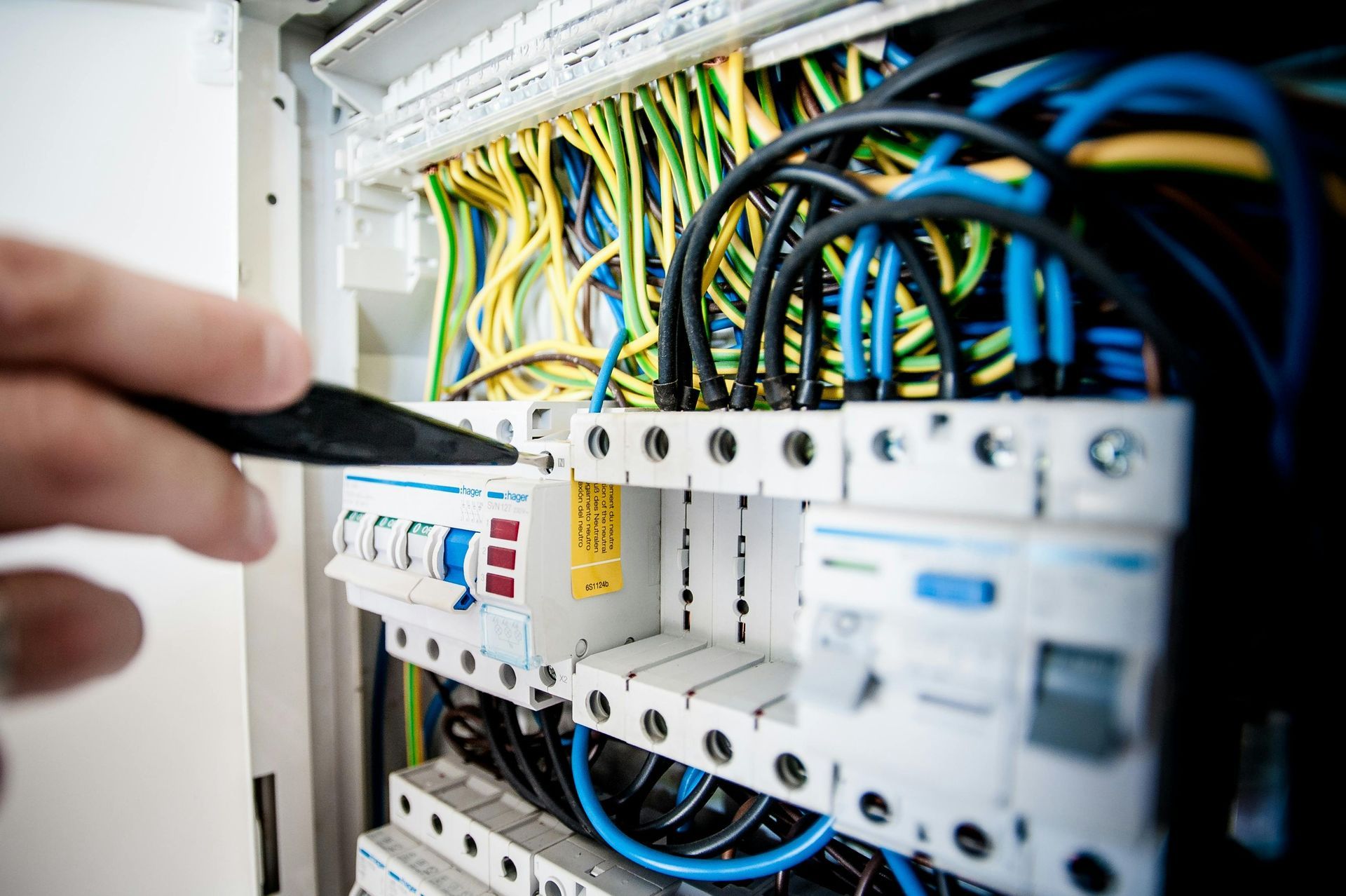
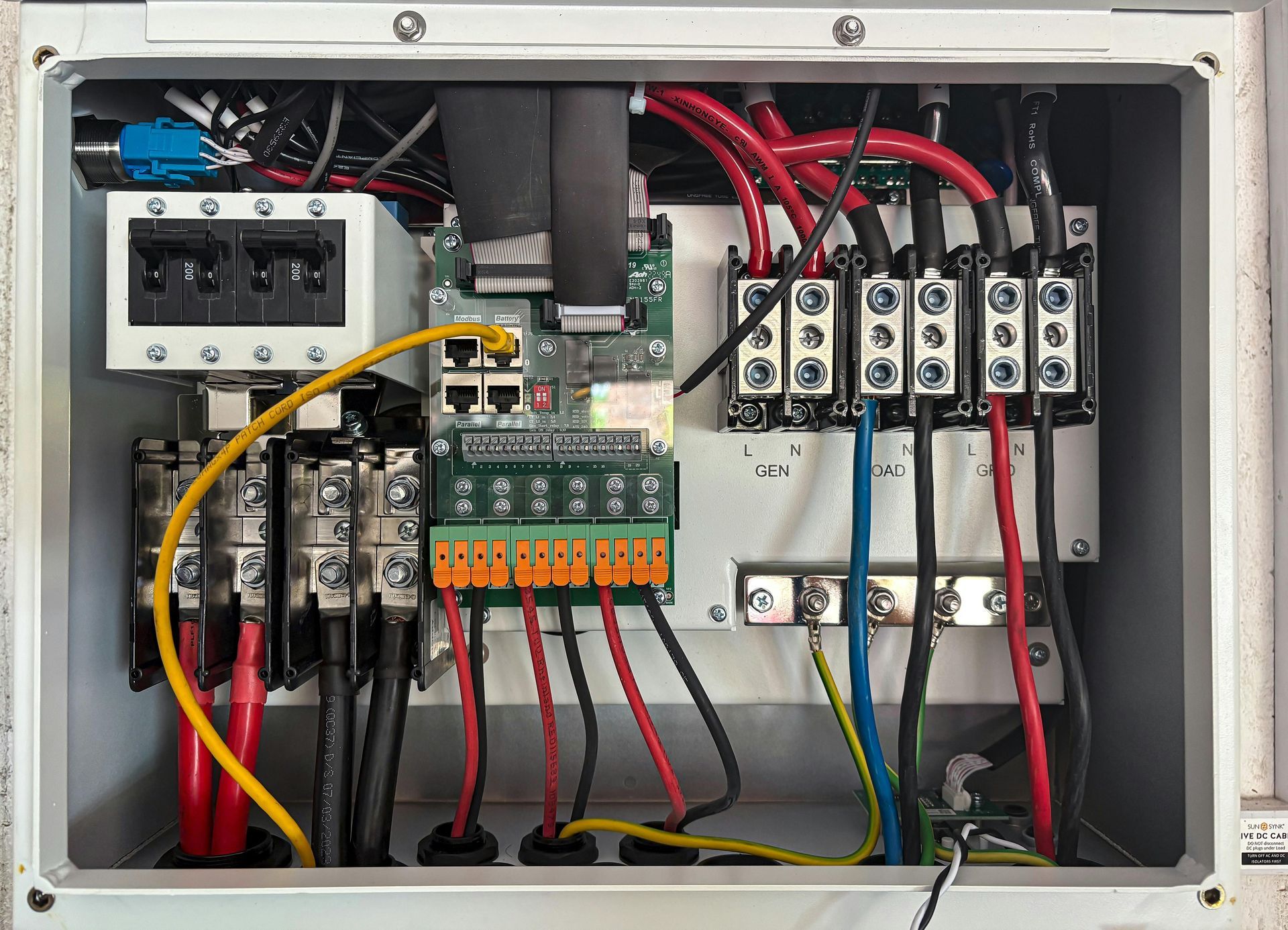
The wiring in your walls is the backbone of your electrical system. Over time, connections can become loose, or the wiring itself can degrade. Loose wiring is one of the most dangerous causes of flickering lights. When a wire is not securely connected, it can create an intermittent connection that causes the lights to flicker.
More importantly, this loose connection can lead to arcing—an electrical current jumping across a gap. As Len Cicero, a leading expert in electrical safety, often emphasizes, arcing is a primary cause of electrical fires. If your lights flicker randomly in multiple rooms, or if the flickering is accompanied by a buzzing sound or a faint burning smell from an outlet or switch, you should immediately shut off the power at the breaker and call a qualified electrician.
Fluctuations from Your Utility Provider
Sometimes, the problem isn't inside your home at all. The issue could be with the power being supplied by your utility company. Problems at a local substation, damage to power lines from storms, or even high demand in your neighborhood can cause voltage fluctuations that result in flickering lights for everyone connected to that part of the grid.
If you suspect the problem is external, a good first step is to check with your neighbors. If they are experiencing the same issue, it's likely a problem with the utility service. In this case, you should report the issue to your power company.
The Importance of Taking Flickering Lights Seriously
It is easy to dismiss flickering lights as a minor inconvenience, but they can be an early warning sign of a serious electrical hazard. Addressing the issue promptly is not just about comfort; it's about safety. Persistent flickering indicates an unstable electrical connection somewhere in the system. This instability can damage sensitive electronics and appliances by delivering inconsistent power. More critically, as mentioned, it can create dangerous heat buildup at connection points, posing a significant risk of an electrical fire. Prioritizing electrical safety protects your property, your equipment, and, most importantly, the people inside.
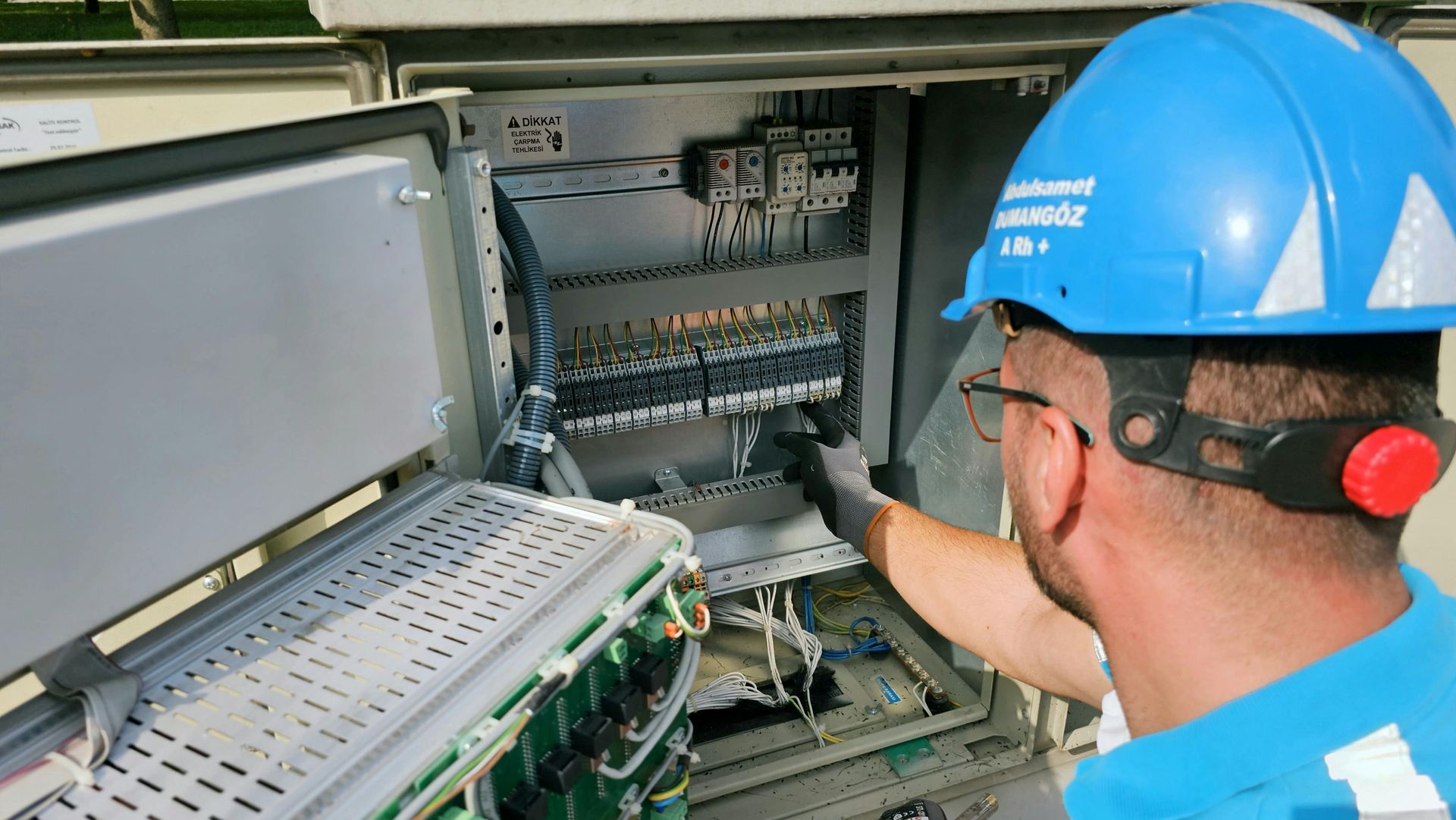
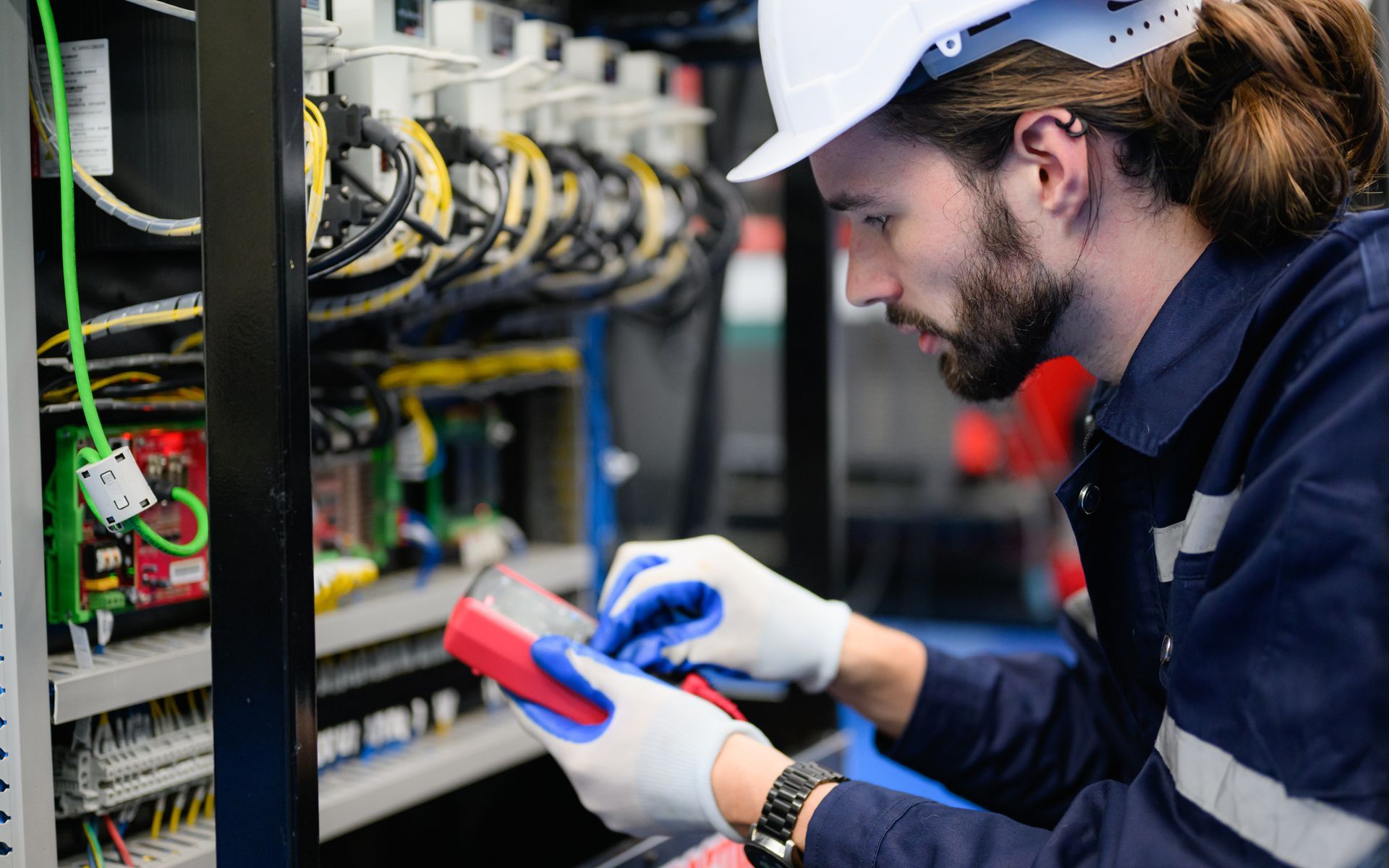
Don't wait for a small flicker to become a major disaster. If you've tried the simple fixes and the problem continues, it’s time to seek professional help. A licensed electrician can perform a thorough diagnosis to identify the root cause, whether it's an overloaded circuit, faulty wiring, or an issue with your main electrical panel.
For comprehensive electrical safety assessments and professional assistance, it is best to consult with experts.
To learn more about protecting your home or business from electrical hazards, visit www.arcflash.ca.