
The Electrical Hazard Most Workers Underestimate: What Is an Electrical Arc Flash?
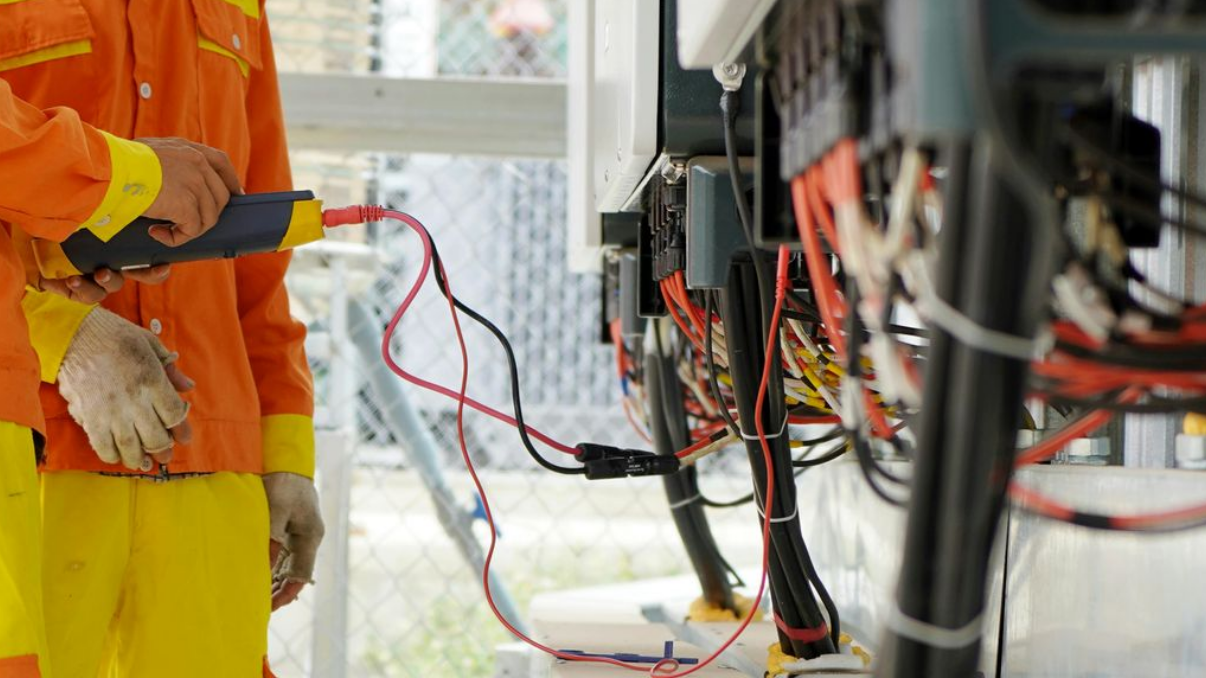
Electricity powers nearly every industrial, commercial, and institutional workplace—but when something goes wrong, the consequences can be immediate and devastating. One of the most dangerous electrical events is an arc flash: a sudden release of energy that can cause severe burns, pressure waves, equipment destruction, and life-changing injuries in a fraction of a second. Organizations across Canada are increasingly investing in arc flashing training and arc flash certifications to protect workers and reduce risk.
If you work around electrical panels, switchgear, motor control centers, or energized systems, understanding arc flash hazards is no longer optional—it’s essential.
What Is an Electrical Arc Flash?
An electrical arc flash occurs when electrical current leaves its intended path and travels through the air between conductors or to ground. This creates an explosive release of energy that produces intense heat, bright light, molten metal, and potentially dangerous pressure waves.
Temperatures during an arc flash can become extreme and happen almost instantly. Even workers who are not directly touching energized equipment may still be injured if they are within the hazard boundary.
Unlike a normal electrical spark, an arc flash event can generate enough force to damage equipment and seriously injure nearby personnel.
What Causes an Arc Flash?
Arc flashes typically occur when there is a breakdown in insulation or an unintended connection between energized components. Common causes include:
Equipment Failure
Aging or damaged electrical equipment may create conditions for arcing.
Human Error
Incorrect testing procedures, accidental contact, or improper maintenance practices can trigger an event.
Dust, Corrosion, and Moisture
Contaminants inside electrical enclosures increase the likelihood of electrical tracking and flash incidents.
Loose Connections
Poorly maintained systems create heat and instability that may escalate into an arc flash.
Working on Energized Equipment
Performing maintenance without proper procedures or lockout methods significantly increases risk. Electrical safety and lockout processes are a core focus of professional training programs.
Why Arc Flash Hazards Are So Serious?
People often assume electrocution is the biggest electrical danger—but arc flashes introduce multiple hazards at once.
Potential consequences include:
- Severe thermal burns
- Vision damage from intense light
- Hearing damage from pressure waves
- Flying metal fragments and debris
- Falls caused by blast force
- Long-term physical and psychological injury
Arc flash incidents affect not only electricians but also maintenance teams, machine operators, facility staff, and contractors working near energized systems.
How Arc Flash Risk Is Reduced?
Preventing an arc flash requires more than wearing protective gear. Effective electrical safety programs typically include:
Risk Assessments
Organizations evaluate equipment and identify areas where arc flash exposure exists.
Lockout and Energy Isolation
Workers must isolate energy sources before beginning maintenance whenever possible. Lockout procedures remain one of the most effective controls.
Personal Protective Equipment (PPE)
Appropriate PPE may include:
- Arc-rated clothing
- Voltage-rated gloves
- Face shields and hoods
- Eye and hearing protection
Safe Work Procedures
Documented procedures reduce inconsistencies and improve worker decision-making.
Why Arc Flash Training Matters More Than Ever?
Knowledge is one of the strongest forms of protection.
Professional Arc flashing training helps workers understand:
- How arc flashes occur
- Hazard recognition techniques
- Safe approach distances
- Proper PPE selection
- Electrical safety procedures
- Incident prevention methods
Many training programs are based on recognized workplace electrical safety practices and standards such as CSA workplace electrical safety guidance. Training providers often offer on-site instruction, remote learning, consulting, and customized programs depending on workplace needs.
Organizations that invest in training are not simply checking a compliance box—they are building safer workplaces.
Are Arc Flash Certifications Worth It?
For employers and workers alike, arc flash certifications can provide measurable value.
Certification programs generally demonstrate that participants have completed structured instruction and successfully shown understanding of electrical hazards, procedures, and protection requirements. Many programs include competency evaluations before issuing certificates.
Benefits may include:
- Improved workplace safety culture
- Increased worker confidence
- Reduced downtime from incidents
- Better preparedness for audits and inspections
- Enhanced operational consistency
For companies operating in manufacturing, commercial facilities, municipalities, and industrial environments, certified training can become a critical part of risk management.
Electrical Safety Starts Before an Incident Happens
Electrical incidents rarely announce themselves ahead of time. Arc flashes can occur in seconds—but preparation happens long before that moment.
Whether you manage a facility, supervise maintenance teams, or work directly with electrical systems, investing in education and prevention can make a meaningful difference.
If your organization hasn’t reviewed its electrical safety practices recently, now is the time to evaluate procedures, update training, and explore Arc flashing training and arc flash certifications to strengthen workplace protection and preparedness.
Because when it comes to electrical hazards, prevention is always safer than reaction.